For generations, heating a British home has meant a boiler, pipework and radiators. The arrangement is familiar, but our expectations of home comfort are changing. Households want better control over their energy use, while increasingly hot summers mean that staying cool is becoming part of the conversation too.
An air to air source heating system addresses both needs. Rather than treating heating and air conditioning as unrelated purchases, it provides warmth in winter and cooling in summer through the same technology. That makes it an option worth considering for homeowners planning improvements that should serve them for many years.
A different way to heat the home
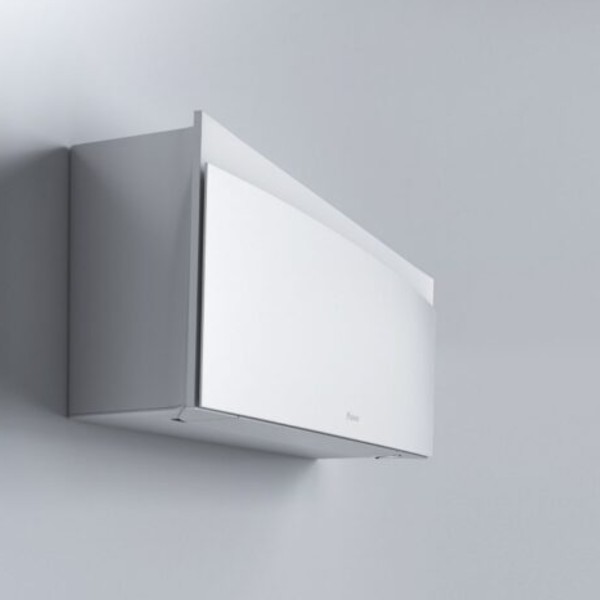
A gas boiler burns fuel to heat water, which then circulates through radiators. An air to air heat pump works by moving existing heat energy. It extracts heat from outdoor air, raises its temperature using a refrigeration cycle and distributes warmth indoors through a fan unit.
Even when it feels cold outside, there is still usable heat energy in the air. Modern equipment is designed to operate in British winter conditions, although efficiency and available heating capacity vary with temperature and the model installed. Correct sizing and installation are therefore essential.
Why efficiency changes the calculation
Conventional electric resistance heaters produce roughly one unit of heat from each unit of electricity. A heat pump can deliver several units of heat for the same electricity input because it is transferring warmth rather than creating all of it directly. Under favourable conditions, some systems achieve up to five times the heat output for the electricity consumed.
This can make an important difference to household running costs, especially where direct electric heating is being replaced. A comparison with gas heating is more complicated because electricity and gas have different unit prices. Seasonal performance, insulation, room temperatures and the household’s existing system all affect the outcome.
Heating and cooling from one installation
Perhaps the most persuasive advantage is that the system does not become redundant when winter ends. During warmer weather, the refrigeration process reverses and heat is removed from the home. This provides genuine air conditioning, which can be particularly welcome in bedrooms and home offices during a prolonged heatwave.
Many British properties retain heat effectively, helping with winter efficiency but sometimes making summer evenings uncomfortable. Fans can improve how warm air feels against the skin, but they do not actively lower the room temperature. An air to air heat pump can do both jobs, without requiring a separate cooling installation.
More control over everyday comfort
Heating an entire property when only one room is occupied is not always sensible. Air to air systems can provide targeted temperature control, allowing homeowners to focus energy on the spaces they are using. Depending on the configuration, different rooms can be managed independently, with schedules and app controls making adjustments straightforward.
This flexibility suits modern households, particularly where people work from home or use bedrooms, extensions and garden rooms at different times. The aim is not simply to use less energy, but to use it where it makes a practical difference.
What the installation involves
Because an air to air system does not circulate heated water through radiators, installation often involves less plumbing work than a complete wet heating replacement. Indoor and outdoor units are connected by refrigerant lines and electrical services, with positioning selected to provide good airflow and sensible access for maintenance.
WarmVent air to air installations start from £1,975. The actual cost depends on the property and the number of rooms to be served. WarmVent also highlights potential savings of up to £170 per month in suitable circumstances, although individual results depend on energy prices, existing heating and usage. A proper survey and quotation will provide a more reliable picture than any headline estimate.
Solar panels and battery storage strengthen the case
As electricity becomes central to more household activities, generating some of it at home is increasingly attractive. WarmVent now supplies solar panels and battery storage alongside its heating and cooling systems, helping customers consider their home energy needs together.
Solar panels can contribute electricity while the sun is shining, and batteries can hold some surplus generation for use later in the day. This is particularly useful for summer cooling, when sunny conditions often coincide with demand for air conditioning. Winter generation is lower, so grid electricity will still be important for most homes, but a well designed combination can reduce purchased energy and associated emissions.
A practical option for the years ahead
Air to air heating is not the right solution for every property. A home will still need a separate way to produce domestic hot water, and some layouts require several indoor units to achieve consistent comfort. Planning requirements, outdoor unit location and noise also deserve attention before installation.
Nevertheless, the direction of travel is clear. Households increasingly value efficient electric heating, room by room control and the ability to cool their homes during hotter summers. A system that combines these benefits with the option of solar generation and storage offers genuine flexibility.
With 30 years of British installation experience, WarmVent can advise on the most suitable approach for an individual property. For anyone weighing up their next heating upgrade, an air to air source heating system deserves a place on the shortlist, not just as an alternative to a boiler, but as a more complete approach to home comfort.