

The Complete Air To Air Heat Pump Buyer’s Guide 2026
- Home
- /
- The Complete Air To Air Heat Pump Buyer’s Guide 2026
On this page
Save Money, Energy & The Planet With Our Air To Air Heat Pumps, Solar & Battery.
Imagine heating and cooling your home with the same simple, silent and highly cost-effective system. A system that runs on electricity, cuts your energy bills considerably each month, and delivers some serious eco credentials. No gas, no oil, no fuss. That’s the power of air-to-air heat pumps, solar and battery – technology that is already extremely popular in Europe and is now transforming how British homes keep warm and cool down, all year round.
And with the announcement that the UK Government – in the next year, will offer a grant of up to £2500 per household to install Air To Air technology, there’s never been a better time to look.
As UK summers get hotter and fossil fuel energy prices rise, more UK homeowners are discovering the huge benefits offered by air to air heat pumps. They don’t burn fuel, they move natural heat from the air outside into your home in winter, and then reverse the process in the summer to create a refreshing cool air climate. They’re incredibly efficient, low-maintenance, and perfect for comfortable modern living.
In this detailed guide you’ll find everything you need to know before investing in this remarkable technology. We explore; how they work, the benefits, what are the costs, what to avoid, what to expect from performance, and other considerations such as planning and maintenance. We’ve combined official UK Government guidance, leading authority insights and years of hands-on experience from WarmVent’s own installation team to create the ultimate homeowner resource.
Whether you’re planning a full property upgrade, or simply exploring smarter ways to stay comfortable year-round, this is where your hi-tech climate journey begins.
What Is An Air-To-Air Heat Pump And How Does It Work?
An air-to-air heat pump is an electric heating and cooling system that transfers warmth from the outside air into your property during colder weather and then can reverse the process to provide cooling in hotter weather. In simple terms, it works like a reversible air conditioner, capturing natural heat energy from the outdoor air and using that to circulate and power a powerful climate system.
Unlike air-to-water systems that heat water for radiators or underfloor heating, air-to-air systems distribute warm, or cool, air directly into rooms. They don’t provide hot water for taps or showers, but their ability to heat and cool the air makes them incredibly versatile.
A typical setup includes:
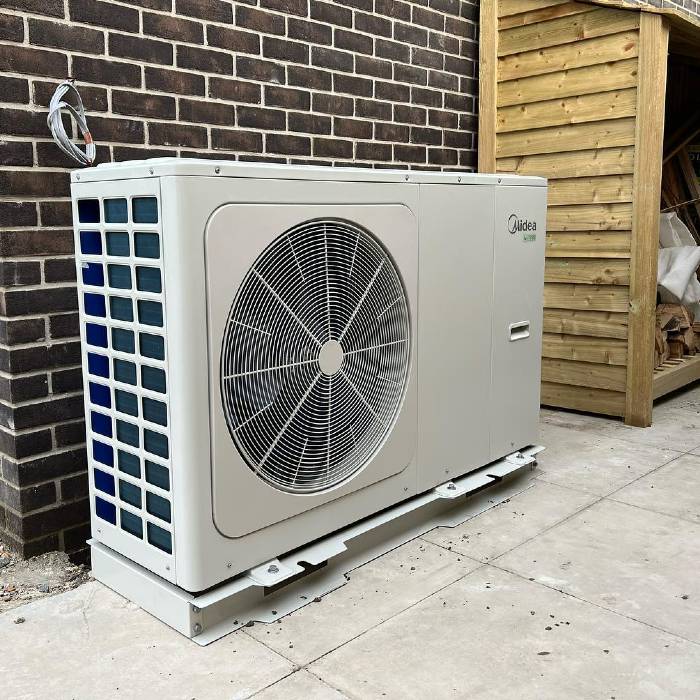
- An outdoor unit that extracts heat from the air, even when it’s as cold as -15°C outside
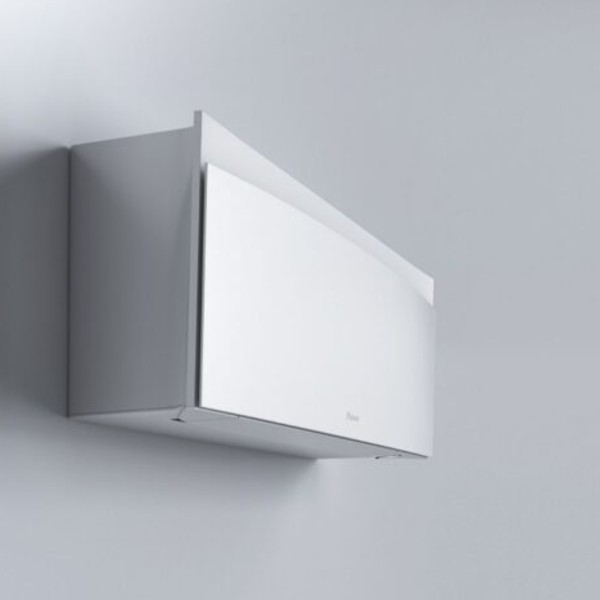
- One or more indoor fan units, wall-mounted or ceiling-mounted, that blow warm or cool air into the space
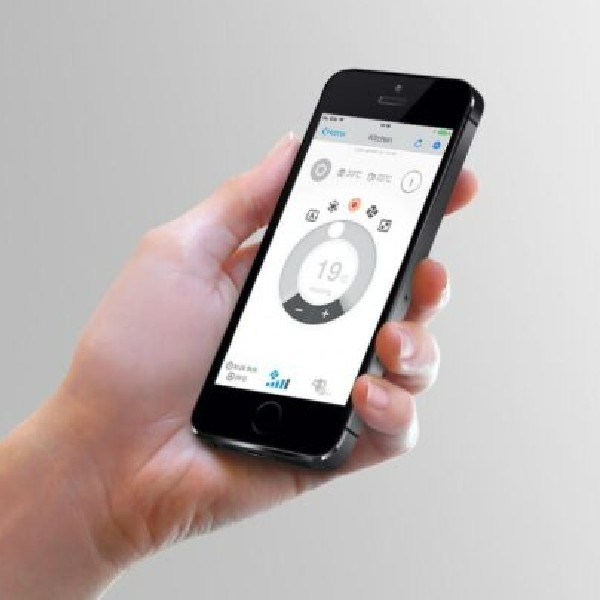
- A control system, such as a wall thermostat, remote, or smart-home app.
Because they move heat rather than create it by burning fuel, air-to-air heat pumps can even achieve efficiencies of up to 500 %, meaning they can produce five units of heat for every unit of electricity consumed.
Paul Warner, owner of WarmVent Air to Air Heat Pumps, sums it up neatly “Think of an air-to-air heat pump as your year-round comfort system. It gives you cosy warmth in winter and cool, filtered air in summer, all from the same energy-saving unit.”
With lower running costs than direct electric heating, quick installation, and built-in cooling, air-to-air technology is becoming one of the most attractive climate-control options for UK homes and small businesses.
With UK Summers Heating Up, Is It Smarter To Buy An Air-To-Air Instead Of AC?
The UK Met Office has confirmed that eight of the country’s ten warmest years on record have occurred since 2010, and homes built for insulation, not ventilation, are at a disadvantage. As heatwaves become the new normal, more UK homeowners are asking ‘should I buy air conditioning, or invest in an air-to-air heat pump instead?’
Cooling That Works Year-Round
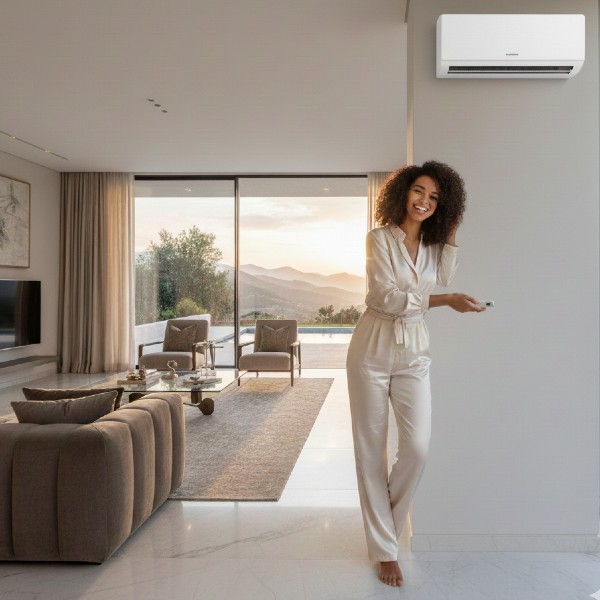
Traditional air conditioners are single-purpose machines, great for cooling, but useless once autumn arrives. An air-to-air heat pump, on the other hand, cools in summer and heats in winter, using the same system. It’s essentially a reversible air conditioner that provides comfort 365 days a year.Paul Warner, puts it simply “Why buy a product that only works for three months a year when a heat pump keeps you comfortable all year? Cooling and heating from one system just makes financial and environmental sense.”
Efficiency and Running Costs
For every 1 kW of electricity an air to air heat pump uses, it can deliver up to 5 kW of heating. Smart inverter technology also avoids the stop-start cycling of older air-conditioning systems, maintaining steady temperatures quietly and efficiently. That means lower bills in both summer and winter.
Environmental Advantage
Installing an air-to-air heat pump helps reduce carbon emissions year-round. While a traditional AC adds to your electricity demand, a heat pump offsets fossil-fuel use in winter too. As the UK grid becomes greener and moves away from fossil fuels, your system becomes even more green.
The Smart Choice for Modern Homes
- Year-round comfort, heating and cooling in one system
- Lower running costs compared to electric heaters, or stand-alone AC
- Compact design, no need for radiators or water pipework
- Eco-friendly, lower carbon footprint and zero on-site combustion.
If you only need cooling for a few weeks each year, AC may seem simpler. But if you want long-term comfort, efficiency, and future-proof value, the smarter investment is an air-to-air heat pump. As cooling comes from the same system, there is effectively no additional installation cost.

How Does An Air-To-Air Heat Pump Compare To Air-To-Water Or Ground Source Systems?
Not all heat pumps are created equal, and understanding the differences helps you make the right investment. The three main types in the UK are air-to-air (A2A), air-to-water (A2W), and ground-source (GSHP) systems. Each extracts renewable heat from the environment but transfers that energy differently.
Air-to-Air (A2A)
Air-to-air heat pumps heat and cool air directly using indoor fan units. They’re the most straightforward to install and ideal for properties that already use electric heating or don’t need a hot-water supply from the same system. There’s no need for radiators or water cylinders, so installation causes minimal disruption.
Air-to-Water (A2W)
Air-to-water systems supply warm water to radiators, underfloor heating, and hot-water cylinders. They’re the main focus of the government’s Boiler Upgrade Scheme (BUS), which currently offers grants of £7,500 toward installation. While A2W provides a complete heating and hot-water solution, it often requires upgrading existing radiators, or pipework, to operate efficiently at lower water temperatures.
Ground Source (GSHP)
Ground-source heat pumps extract heat from pipes buried in the ground. They offer the highest efficiency and most stable output but have high upfront costs and space requirements for the underground loops. Ground-source is fantastic if you’ve got the garden and the budget, but for most homes, air-to-air delivers a faster payback and a simpler path to lower energy bills.

How Does An Air-To-Air Heat Pump Transfer Heat Inside My Home?
An air-to-air heat pump moves thermal energy between outside and inside your home using a refrigerant loop, compressor, condenser/evaporator coils, and fans. In heating mode, the outdoor unit absorbs available warmth from the ambient air, then the refrigerant evaporates at low pressure, then is compressed to raise temperature, and finally condenses in the indoor unit to release heat into your home. In cooling mode, the cycle reverses, indoor heat is drawn out of your home and expelled outdoors.
Because this is a closed, reversible thermodynamic cycle, the system can deliver more heat output than the electrical energy it uses (i.e. efficiency >100 %, often expressed as COP or SCOP). However, performance depends heavily on outdoor temperature, system sizing, duct or airflow design.
One such operational challenge is when the outdoor coil gets cold, frost can build up, reducing heat exchange. The system then temporarily reverses, or pauses, to melt the frost, resuming heating afterward. During defrost cycles, indoor heating may dip slightly, but well-designed systems and controls mitigate this.
In UK conditions, good systems can maintain useful output even when outdoor temperatures are low, but be aware their COP / SCOP will decrease as temperatures drop. Design should account for worst case cold snaps. Additionally, clearances around the outdoor unit, proper airflow, and duct or room layout all matter, you can’t just stick the units anywhere.
What Do The COP, SCOP And EER Ratings Mean?
To choose and compare air-to-air systems, you need to understand the main performance metrics, but avoid getting lost in jargon. We break it down for you here;
- COP (Coefficient of Performance) – This is the ratio of heat output to electrical input under a specific test condition. If a system has a COP of 3.0, it means 1 kW of electricity yields 3 kW of heat
- SCOP (Seasonal Coefficient of Performance) – SCOP averages performance over a full heating season with varying temperatures, giving a more realistic gauge of annual efficiency
- EER / SEER – These are the metrics for cooling as opposed to heating. EER is the instantaneous cooling efficiency whilst SEER is the seasonal and variable gauge
- PLF / Load Factor – Some systems report ‘part-load efficiency’ which helps evaluate how efficient the pump is when not running at full capacity.
Why SCOP and COP matter – real usage involves changing conditions, colder nights, mild days, cycling and standby losses. A unit with a high point COP but poor part-load performance can end up costing you more. The DESNZ Literature Review explores in detail how UK climate, airflow, and cycling affect SCOPs in domestic A2A deployments.
The Energy Innovation Research Office (EIRO): Air-to-Air Heat Pumps Literature Review reports that reversible air-to-air systems often deliver SCOPs in the range of 2.5 to 4.0. However that data is limited for full-scale UK domestic A2A deployments, especially on cooling seasonal performance.
Paul Warner offers practical advice to homeowners “Don’t pick the highest spec you can find, ask the installer what SCOP they’d expect after factoring your insulation, layout, and usage. That’s what truly determines what you’ll pay in your monthly energy bills.”
Another metric to ask about is part-load efficiency (how efficient the system is when it’s not working flat out). In many homes, most operating hours are at partial load and therefore systems that maintain decent efficiency at 30–70 % capacity are better in the long-term. So in summary;
- Use seasonal SCOP as your main comparison metric, not single-point COP
- Ask your installer for a projected SCOP for your property, don’t just rely on the manufacturers estimates
- Don’t forget cooling metrics (EER / SEER) to get a full year round estimate
- Be skeptical of overly optimistic numbers without an actual survey of your property.

How Do I Know What Size Air-To-Air Heat Pump I Need For My Home?
Getting the right system size is the single most important factor in achieving comfort, efficiency, and long-term reliability from an air to air heat pump system. It’s crucial to match the unit’s output to your property and room heat requirement.
For an A2W system a professional installer should carry out a room-by-room heat-loss calculation before recommending any system. This professional process considers:
- The size and shape of each room
- Construction materials, insulation levels, and glazing
- Airtightness and ventilation
- Your preferred indoor temperatures and other household considerations.
For an A2A system because it is more flexible, you only need an overall heat loss assessment for the whole house, e.g. current valid EPC.
In the UK, installers typically follow the MCS 3005-D design standard, which sets out best practice for heat-pump design and load calculations. The Energy Saving Trust emphasises that “a well-sized system will deliver the required heat output without over-cycling, or running continuously at maximum capacity.”
If a system is undersized, it may struggle to maintain warmth during cold spells and switch to less-efficient backup modes. If it’s oversized, it can short-cycle, turning on and off frequently, which wastes electricity, causes uneven temperatures, and shortens the internal compressors lifespan.
Paul Warner notes “We always calculate the required kW usage on a room by room basis before quoting. Guesswork leads to wasted energy and unhappy customers. Precision sizing is what turns a good install into a great one.”
Any expert installer will also assess air distribution, which is calculating how far warm, or cool air travels from each indoor unit. Open-plan homes are easier to heat evenly, while multi-room properties may need extra indoor units, or ducted solutions, to achieve a balanced ambient temperature.
Before committing, you should ask your installer to provide details of their calculations showing:
- The total design heat load for your home (in kW).
- The chosen outdoor temperature for that design (for example, –3 °C in southern England).
- Expected efficiency (SCOP).
Understanding this design work helps you make sure the heat pump isn’t just efficient in theory, it’s optimised for your property.
Is My Property Suitable For An Air-To-Air Heat Pump?
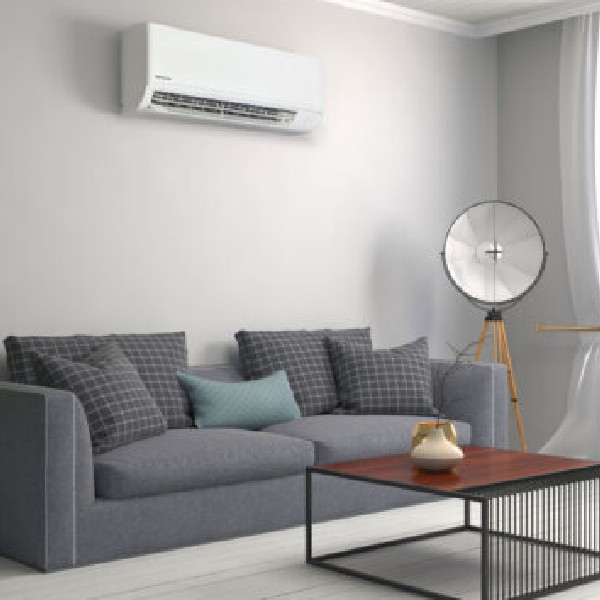
Air-to-air heat pumps are extremely versatile, but they aren’t right for every property. Their success depends on your property layout, insulation, and the type of heating you’re replacing. They’re best suited to;
- Homes, or apartments that already rely on electric heating or storage heaters
- Open-plan layouts where air can circulate freely between rooms
- Modern, well-insulated properties
- Home offices, garden studios, or extensions where you want independent climate control.
Air-to-air systems excel in heating and cooling spaces with good airflow. In a single, shared and large zone, such as a living/dining/kitchen area, for example, one indoor unit can heat the entire area efficiently.
The UK Government’s Air-to-Air Heat Pumps Literature Review (2024) also notes that A2A systems are “well suited to smaller, well-insulated dwellings and retrofits where the disruption of pipework replacement would be impractical.”
Whilst A2A is hugely versatile, there are situations where an A2A systems will need a more complex installation;
- Traditional properties with lots of small rooms and closed doors may require multiple indoor units
- If you need domestic hot water, an air-to-air system alone won’t suffice, you’ll need a secondary solution such as an immersion or cylinder water heater
- If planning restrictions apply (e.g. listed buildings or dense terraces), you must check outdoor-unit placement and noise rules (see our guide below on this subject). For multiple outdoor units planning permission may be required.
- Apartments and flats above ground floor may not have sufficient outdoor space for the outdoor unit (please see the next section that explores this in more detail), although new systems are becoming available that do not require an external unit.
Paul Warner explains “The best candidates are energy-efficienthomes where people value comfort and control. If you’re still losing heat through the walls or roof, it’s worth improving insulation first, that’s where the real savings start.”
Air-to-air systems really come into their own when the property already has good air circulation and you want efficient heating and cooling from one unit. For large, multi-storey, or period homes needing both space heat and hot water, air-to-water or hybrid systems, may be the better investment, but you will not get cooling!

My Property Isn’t On The Ground Floor, Is That A Problem For Installing An Air-To-Air Heat Pump?
Not necessarily, living above ground level doesn’t rule out an air-to-air heat-pump installation, but it does mean your installer needs to plan the layout in a different way. In most cases, systems can still be fitted effectively in flats, maisonettes, and upper-floor properties, provided that the outdoor unit has a suitable location and you have the appropriate permissions.
Outdoor Unit Placement
Most air-to-air heat pumps need an outdoor unit for heat exchange. For upstairs properties, there are several options;
- Balcony or terrace installation – If you have a private balcony or terrace, this is usually ideal. The unit can sit on anti-vibration pads
- External wall mounting – Outdoor units can be securely fixed to external walls using heavy-duty brackets. Vibration-absorbing mounts keep the system quiet and stable.
- Shared or rooftop locations – In some apartment blocks, landlords or management companies allow roof-mounted or communal outdoor units. This requires written consent and structural assessment.
Permissions & Practicalities
If you own a flat or leasehold property, you may need permission from the freeholder or building management company before any outdoor installation. Where shared spaces are involved, installers must follow Planning Portal and MCS 020 noise regulations to ensure compliance and avoid nuisance complaints.
Paul Warner explains “It is possible to fit Air to Air systems in upper-floor apartments. The key is finding a safe, well-ventilated spot for the outdoor unit. It’s more about good design than floor level.”
Indoor Unit Routing
The indoor units are easy to place on internal walls or ceilings, slim refrigerant pipes (about 6 cm wide) can be run through small holes. Condensation drainage is managed via discreet pump or gravity drains, depending on your properties layout.
Being above ground floor isn’t a barrier, it just requires thoughtful planning and possibly landlord or management consent. With a competent installer and proper structural consideration, your upstairs flat or maisonette can enjoy all the same heating and cooling benefits as any ground-floor home.

What Should I Be Aware Of Before Buying An Air-To-Air Heat Pump For My Home?
We would always recommend you have a survey from a professional installer, the WarmVent surveys are free for example. Understanding the potential pitfalls helps you choose the right system, avoid unnecessary costs, and enjoy lasting performance.
- Choosing the Wrong Size or Design – The most common mistake is buying a system that’s too small or too powerful for your property. An undersized unit will struggle to maintain warmth in winter, while an oversized one will cycle on and off, wasting energy. Always get a professional heat-loss calculation before agreeing to installation.
- Poor Installation – Even the best equipment will underperform if installed badly. Avoid installers who skip planning steps, fail to consider airflow, or hide outdoor units in tight spaces. Make sure your installer provides clear documentation for commissioning, warranties, and servicing.
- Unrealistic Efficiency Claims – Manufacturer performance figures (COP or SCOP) are tested in ideal and stable temperature conditions. Real-world results depend on your home’s insulation, location, and usage habits. Be cautious of exaggerated savings promises, especially from non-accredited companies. Ask your installer for a realistic seasonal efficiency projection for your exact property.
- Lack of Maintenance Awareness – While air-to-air systems need less upkeep than boilers, they still require filter cleaning and occasional servicing. Neglecting maintenance can lead to reduced performance and higher bills over time. Clarify the service schedule before you buy and ensure the installer offers aftercare.
- Ignoring Planning and Noise Rules – Before installation, confirm your outdoor unit placement complies with MCS 020 and Planning Portal guidance. If you’re in a conservation area or terrace, poor siting could lead to neighbour complaints or planning permission issues.
An air-to-air system can transform your home’s comfort and efficiency, but only if designed, installed, and maintained correctly. Take the time to vet installers, confirm technical details, and understand what’s included.

How Much Does An Air-To-Air Heat Pump Cost To Install And Run In The UK?
Understanding all cost components, installation, operating, upkeep, is essential to making a sound decision, when considering an air-to-air heat pump.
Upfront & Installation Costs
Air-to-air systems are often less expensive to install than full wet-systems (air-to-water) because you avoid plumbing for radiators and hot-water cylinders. That said, costs vary widely depending on property size, number of indoor units, ducting, electrical upgrades, and the complexity of mounting outdoor units.
WarmVent have created a simple table that shows example costs and compares them to other forms of heating, to give you an idea of costs:
Monthly Energy Savings Calculator
By transitioning to an air-to-air heat pump, households can achieve significant monthly savings on energy bills, especially when replacing less efficient heating systems. In fact savings on a 5 bedroom property could save £170 per month on average! Find out below how much you could save:
|
House Size
|
Air-to-Air Heat Pump
|
Plug-in Electric Heating
|
Electric Storage Heating
|
Gas Central Heating
|
Air-to-Water Heat Pump
|
|---|---|---|---|---|---|
|
3 Bedroom
|
£70
|
£180
|
£120
|
£100
|
£80
|
|
4 Bedroom
|
£85
|
£225
|
£150
|
£125
|
£100
|
|
5 Bedroom
|
£100
|
£270
|
£180
|
£150
|
£120
|
PLUS – Even greater savings can be made than those highlighted above by switching to a electric heat pump tariff offered by leading energy suppliers!
*Based on energy consumption for UK homes with the typical average Energy Performance Certificate (EPC) rating of D (score of 60) and UK energy prices as of April 2025. Installation costs for air-to-air heat pumps are generally lower than for air-to-water systems, making them a cost-effective option for many households. Actual energy costs can vary based on factors such as insulation quality, thermostat settings, and individual usage patterns. Sources here.
Maintenance & Repairs
Maintenance is relatively low compared to combustion systems, but not negligible. For example, a gas safety certificate (CP12) is a legal requirement for landlords, but not for homeowners, and proves that gas appliances have been checked for safety. There are no such requirements for heat pumps.
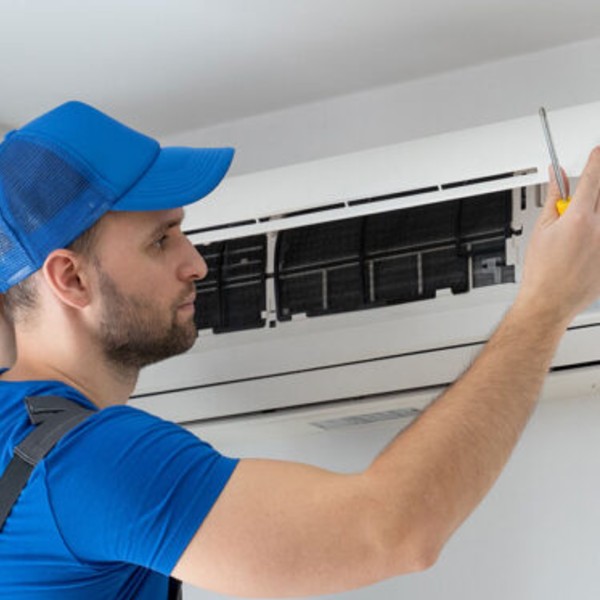
For the servicing of heat pumps tasks include cleaning or replacing filters, periodic checks of fans and coils, ensuring adequate airflow around outdoor units, and servicing the system annually. A well-commissioned system tends to need fewer callouts. At WarmVent we recommend a service check after 12 months, and then recommend inspections every year in line with manufacturer’s warranties. Often, keeping the coils and filters clean makes the biggest difference to performance over the years.

How Much Can An Air-To-Air Heat Pump Save Money Compared To A Gas Boiler Or Electric Heating?
A common question the WarmVent team is asked is “how much an air-to-air system saves money compared with what I have now?” The answer depends on what you’re replacing, your energy costs, usage, and the SCOP of your system.
Replacing Electric Heating or Storage Heaters – If your home currently depends on direct electric heating, or storage heaters, an air-to-air heat pump will certainly be more efficient and save money because the SCOP (efficiency) will be considerably higher and make a dramatic difference in running costs.
Replacing Gas or Oil Boilers – Gas and oil boilers burn fuel to generate heat directly. Even an efficient boiler has inherent losses, meaning heat pumps can outperform boilers in energy used. However electricity costs fluctuate, as do gas or oil prices. GreenMatch estimates homeowners might save at up to £290 a year on energy bills when switching from a gas boiler to a heat pump.
Additional Savings
- Cooling value – Many homes pay for separate air conditioning, with A2A you get that function built in, saving on separate installation and running costs
- Longevity & property value – A well-installed system will last 20+ years, as low-carbon heating becomes more common, homes with heat pumps will likely command higher resale value.

Are There Any UK Government Grants Or Incentives For Air-To-Air Heat Pumps?
It has been recently announced that the Boiler Upgrade Scheme (BUS) for England & Wales will be expanded in to include Air To Air Heat Pumps, and grants of around £2500 toward the cost of installation will be available in the next year.
The BUS has been available toward the cost of installing an air-to-water, ground-source, or biomass heating system in England and Wales for over 2 years now. The scheme is managed by Ofgem and aims to encourage the switch to low-carbon heating. Your installer must be MCS-certified and will apply for the grant on your behalf, homeowners never need to fill in long forms or claim the money themselves. The scheme currently runs until December 2027, though extensions may follow as the government pushes for more heat-pump adoption.
Grants In Scotland & Northern Ireland
If you’re based in Scotland, support is available through Home Energy Scotland (HES), which provides grants and interest-free loans for renewable heating, energy-efficiency upgrades, or hybrid systems. Northern Ireland currently has no active nationwide heat-pump grant.
Why A2A Heat Pumps Are Even Greater Value For Homeowners:
- A2A systems can be considerably cheaper to install than A2W and all other home heating systems, regardless of the grant
- No VAT
- Manufacturer or installer promotions, for example, WarmVent offers installation discounts on multiple-unit systems).
Paul Warner comments “With the recent announcement that air-to-air systems and air conditioning are to be included in the BUS scheme from early 2026 this is a significant development, especially when they provide such practical energy and running cost savings. Together with the low installation cost and no VAT, the addition of a grant now makes air-to-air increasingly more affordable, particularly for homeowners replacing electric heating.”

Do I Need Planning Permission To Install An Air-To-Air Heat Pump?
For most homeowners in England and Wales, installing an air-source heat pump, whether air-to-air or air-to-water, falls under permitted development rights, meaning you usually don’t need full planning permission. However, there are conditions you must meet to remain compliant.
Permitted Development Rules
The Planning Portal summarises the key rules as;
- Only one external heat pump per dwelling (detached properties can have two)
- Outdoor units must not exceed 1.5 cubic meters in volume for houses, or 0.6 cubic meters for flats
- It must be at least 1 meter from the edge if on a flat roof. It must also be at least one meter from the property boundary
- It must be sited to minimise noise impact on neighbours.
If you live in a conservation area, listed building, or flat, or if your home has already used its permitted-development allocation, you’ll likely need to submit a formal planning application to your local council.
Noise Regulations
Noise pollution levels are governed by MCS 020, which sets maximum sound-level limits at the nearest neighbour’s window (typically less than 42 decibels). Installers will often use software to model compliance before installation begins. Paul Warner explains “Modern heat pumps are a lot quieter than older models. However, we always position outdoor units carefully, on solid brackets, vibration pads, and away from windows, to keep the system whisper-quiet.”
Building Regulations & Safety
Beyond planning, installations must comply with Part L (energy efficiency) and Part P (electrical safety) of the Building Regulations.
- Most A2A installs don’t need planning permission if MCS 020 noise rules are met
- Check extra restrictions for conservation or listed properties
A well installed system by an expert team not only avoids legal issues but also keeps neighbours happy and ensures your investment adds value to the property longer term.
How Do I Choose The Right Installer For An Air-To-Air Heat Pump?
Selecting the right installer is every bit as important as choosing the right heat-pump system. A well-designed, well-installed air-to-air heat pump can run efficiently for 20+ years, however a poor installation could lead to inefficient climate control, noise and expensive running costs.
Check for Certification and Accreditation
For electrical safety, ideally your installer should be registered with a Part P-approved body such as NICEIC, NAPIT, or ELECSA. This guarantees all electrical connections and wiring comply with UK Building Regulations. For air-to-air systems, your installer must be F-Gas registered as they are dealing with refrigerant gases.
According to the Energy Saving Trust “Using certified installers gives you assurance that your system is installed safely, efficiently and in line with industry standards.”
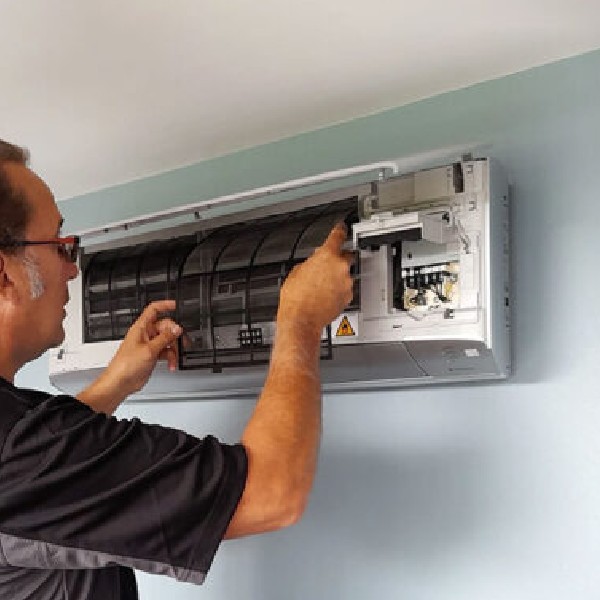
WarmVent works only with trained engineers who have completed manufacturer-approved training on specific systems. Paul Warner explains “Air-to-air isn’t just about bolting a unit to the wall. The airflow paths, drainage, and electrical runs all affect comfort and longevity, that’s why experience matters.”
Request a Full Site Survey
A proper installation quote should include;
- A detailed heat-loss report or an up to date EPC
- Room by room indexing
- Noise and airflow assessments
- The system design (how many indoor units, placement, pipe runs, and controls)
- An estimate of seasonal efficiency (SCOP) and expected energy use.
Avoid any installers who give a “one-price-fits-all” estimate without inspecting your home. Every property differs in orientation, insulation, and layout, and a credible company will tailor the design accordingly.
Ask About Warranty and Aftercare
Check the length of manufacturer warranties (often 7 –10 years) and whether your installer provides ongoing service packages. Annual servicing is recommended to preserve performance and maintain warranty validity.
Finally, confirm that your installer will provide all commissioning paperwork, including model numbers, serial numbers. Good documentation adds value to your home and reassures future buyers that the installation meets modern standards.
Where Should The Indoor And Outdoor Units Of An Air-To-Air Heat Pump Be Ideally Placed?
The design stage determines how efficiently your air-to-air heat pump will perform once it’s up and running. It’s not just about looks, where you place the outdoor and indoor units, and how air moves around your home, are critical factors here.
Outdoor Unit Placement
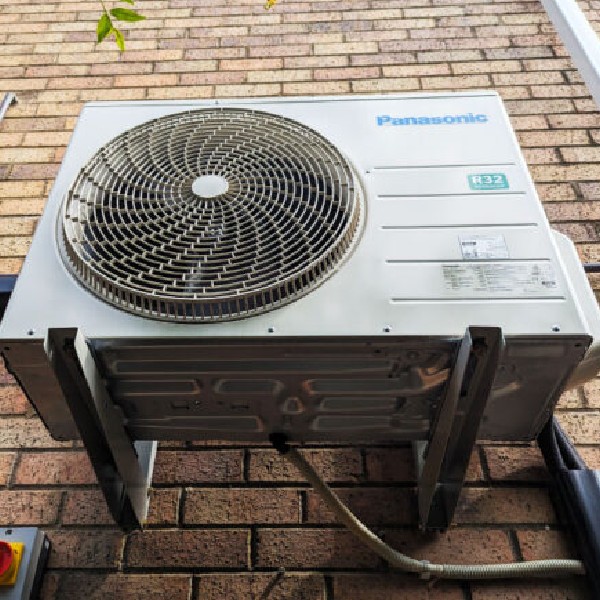
The outdoor unit needs clear airflow on all sides. Cramped alleyways or enclosed courtyards will not be ideal, as these can force the unit to recycle cold air in winter and reduce efficiency. The Planning Portal advises at least 1 metre clearance from boundaries and positioning to minimise noise impact too.
Units can be wall-mounted on brackets, or floor-standing on anti vibration feet. In coastal or exposed locations, anti-corrosion coatings and sheltered placement prolong the unit’s life. Paul Warner explains “It’s all about airflow. You want the outdoor fan to breathe freely, pulling clean air through the coil. If you block that flow with fencing or plants, efficiency drops.”
Indoor Unit Design
Indoor fan units should be positioned where they allow for easy airflow. Wall-mounted models should be able to blow across the room, rather than directly at seating or other furniture. Ducted systems can conceal equipment above ceilings and feed multiple rooms through discreet vents, ideal for new-builds or renovations.
Keep at least 150 mm clearance above and around wall units for service access, and avoid fitting them above heat sources, or where curtains block airflow. Whilst floor-mounted models suit attic conversions or older homes with limited wall space.
Condensation Drainage & Electrical Routing
Every indoor unit produces condensation during cooling. Proper drainage (via gravity or pumps) prevents leaks and mould in your property. Electrical runs should follow neat, trunked paths to avoid visible cabling which can be unsightly. It’s generally regarded that the routing should;
- Place outdoor units in free-air zones, respecting boundary and noise limits
- Align indoor airflow with room shape for even comfort
- Keep service access clear, drain lines secure, and cabling tidy.
Thoughtful design and placement make the difference between an average install and one that runs quietly, efficiently, and aesthetically for years to come.
How Do Smart Controls And Zoning Work With Air-To-Air Heat Pumps?
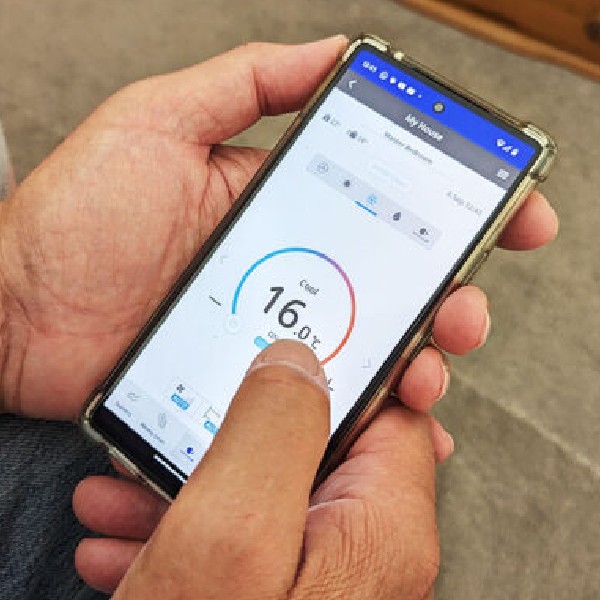
Modern air-to-air heat pumps offer impressive flexibility when it comes to controlling temperature, zoning spaces, and managing energy use. Getting this part right ensures you benefit fully from the system’s efficiency while keeping your home comfortable in every season.
Understanding Zoning
Unlike a traditional boiler that heats the entire property at once, an air-to-air system can be zoned, meaning each indoor unit operates independently. This allows you to heat, or cool, occupied rooms while saving energy in unused areas. The simplest concept to understand here is even when people want a warm house, they would like cooler bedroom temperature for a better sleep during the night. In larger homes, zoning is often the key to efficiency. The Energy Saving Trust highlights that “good zoning and controls are central to reducing energy waste and running costs.” Zoning is managed through either;
- Individual remotes or wall controllers for each indoor unit, or
- A central smart system that coordinates zones via Wi-Fi.
Smart Controls & Connectivity
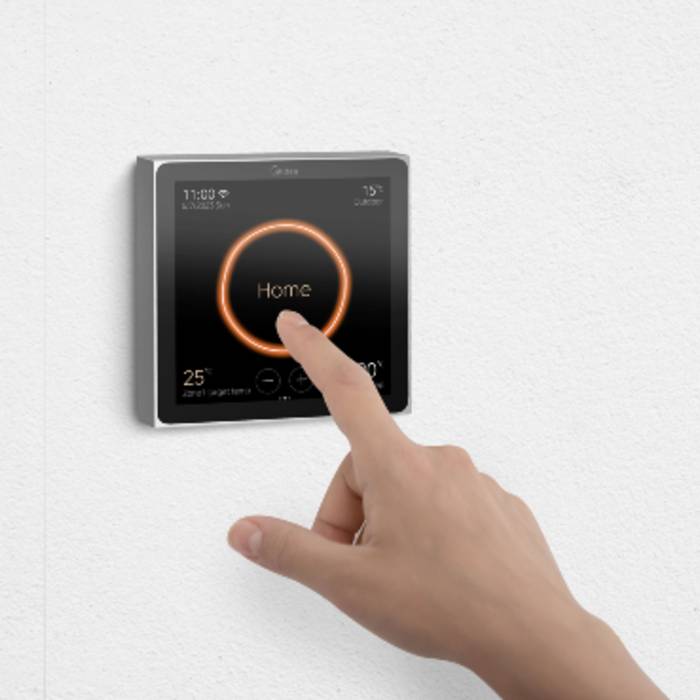
Many modern air-to-air systems integrate with smart thermostats and home-automation systems such as Google Home, Alexa, or Apple HomeKit. Using a smartphone app, you can schedule heating and cooling, adjust settings remotely, or monitor energy use in real time. Paul Warner explains “We encourage customers to use scheduling and automation features, simple things like lowering set-points at night can cut running costs by 10 to 20 percent without sacrificing comfort.”
Tips for Homeowners
- Set sensible temperatures: 20–21°C for heating for example
- Avoid constant high fan speeds, let the inverter and thermostat maintain steady comfort rather than cycling frequently
- Use timers for consistent daily routines because running continuously at high output wastes energy
- Enable eco or energy-saving modes where available.
Used wisely, modern controls can improve both comfort and energy efficiency, giving you the best of both worlds.

Do Air-to-Air Heat Pumps Help Filter Out Allergens and Pollution?
Yes, and this is one of the most underrated benefits of air-to-air heat pumps. Because they continuously circulate and condition the air inside your home, they also filter it, helping to reduce allergens, dust, and airborne pollutants that can trigger respiratory issues, or allergies. This makes them very desirable for polluted areas like inner cities too. The Energy Saving Trust highlights that systems with integrated filtration “improve indoor air quality, especially in homes where windows remain closed for energy efficiency.”
Built-In Filtration Systems
Most modern air-to-air heat pumps are equipped with;
- Dust and pollen filters to trap larger airborne particles
- Filters that neutralise smaller allergens and even bacteria, and viruses
- Activated carbon filters that absorb odours, smoke, and volatile organic compounds (also known as VOCs).
These filters help maintain cleaner indoor air quality, a major advantage over traditional radiators or electric heaters, which simply warm the air without filtering it.
Reducing Allergens and Pollutants
By continuously drawing air through the filters, an air-to-air system helps reduce or eliminate
- Pollen (great news for hay fever sufferers)
- Pet hair and dust mites that collect indoors
- Fine particulate pollution that can enter from outdoor traffic for example
- Mould spores, especially in damp, or poorly ventilated rooms.
Many systems also include dehumidification and air-purification modes, which lower humidity and further reduce the conditions in which mould or dust mites thrive. Paul Warner explains “Our customers often notice their homes feel fresher and lighter within days. The combination of gentle airflow, filtration, and humidity control really improves living conditions, particularly for allergy sufferers.”
Maintenance Matters
To keep air quality high, filters should be cleaned every few months, depending on usage and local air conditions. A quick rinse or vacuum is usually enough for reusable filters, while replaceable cartridges are inexpensive and widely available. Air-to-air heat pumps do more than heat and cool, they purify the air you breathe. By removing allergens, pollutants, and excess moisture, they create a healthier, cleaner indoor environment for every season.
Do Air-To-Air Heat Pumps Still Work In Cold Weather?
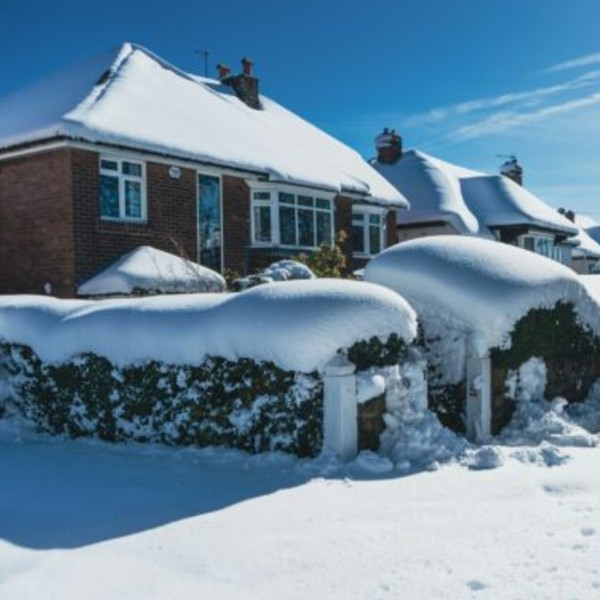
A well-designed air-to-air heat pump can continue to perform efficiently even when outdoor temperatures drop below freezing, but it’s important to understand how this works and what to expect in the coldest months.
How Air-to-Air Heat Pumps Cope in Winter
Even on cold days, the air outside still contains usable heat energy. The outdoor coil extracts this heat, compresses it, and transfers it indoors. Modern systems are designed to operate effectively down to about –15 °C, although efficiency naturally decreases as the air temperature falls.
In most of the UK, temperatures rarely stay below freezing for long periods, which makes air-to-air technology particularly practical. The drop in performance is gradual, not sudden, so you’ll still get warm air, but the system may run slightly longer to maintain your chosen temperature.
The Role of Defrost Cycles
When outdoor air is cold and humid, frost can form on the coil. To clear this, the heat pump periodically runs a defrost cycle, temporarily reversing the refrigerant flow to melt the frost before resuming normal heating. A defrost cycle usually lasts a few minutes and might cause a brief reduction in warm air indoors, this is normal and nothing to worry about.
Tips for Winter Efficiency
- Keep the outdoor unit free of leaves, snow and obstructions so air can flow freely
- Maintain good insulation and draught-proofing, the better your home retains heat, the less often the system needs to work hard
- Don’t keep adjusting the thermostat, let the inverter control maintain a steady temperature
- If your unit has a “cold-climate” or “boost” mode, use it sparingly during extended cold snaps.
Modern air-to-air heat pumps are more than capable of handling the British winter. They simply work a little harder when temperatures plunge, but with good insulation and correct sizing, you’ll stay warm and comfortable year-round.

How Long Do Air-To-Air Heat Pumps Last And What Maintenance Do They Need?
One of the biggest advantages of an air-to-air heat pump is its low maintenance requirement. Unlike boilers for example, which require frequent checks, there are no flues, gas lines or combustion processes to service. However, with that said, a little care goes a long way to ensuring reliable, efficient performance, ensuring the system works well for 20+ years.
Routine Maintenance
Most manufacturers recommend simple user maintenance such as;
- Cleaning filters every few months to maintain airflow
- Keeping the outdoor unit clear of leaves, debris and vegetation.
A professional service annually, helps maintain peak efficiency. During a service, an engineer will;
- Check refrigerant pressures and system performance
- Inspect electrical connections and sensors
- Verify the drain and coil condition
- Clean indoor and outdoor coils to remove dust and pollutants.
Lifespan & Reliability
A well-installed and properly maintained air-to-air heat pump typically lasts 15–20 years, sometimes longer. Because there are fewer moving parts than in a boiler, failure rates are relatively low. Key components such as compressors and fans are designed for continuous, variable-speed operation.
Warranties & Aftercare
Many manufacturers offer 5-10 year warranties on parts, and some extend up to 10 years if annual servicing is carried out by an authorised engineer. WarmVent registers every installation for warranty.
Environmental Maintenance Benefits
Because there’s no fuel combustion, there’s no risk of carbon-monoxide leaks or flue emissions. Servicing produces minimal waste, and replacement parts are limited mainly to filters, and fan components.
Air-to-air systems are among the most reliable forms of modern heating. With basic filter cleaning and annual servicing, they can deliver decades of trouble-free performance. Proper maintenance not only extends equipment life but keeps running costs and carbon emissions as low as possible.
What Are The Most Common Air-To-Air Heat Pump Problems And How Can I Fix Them?
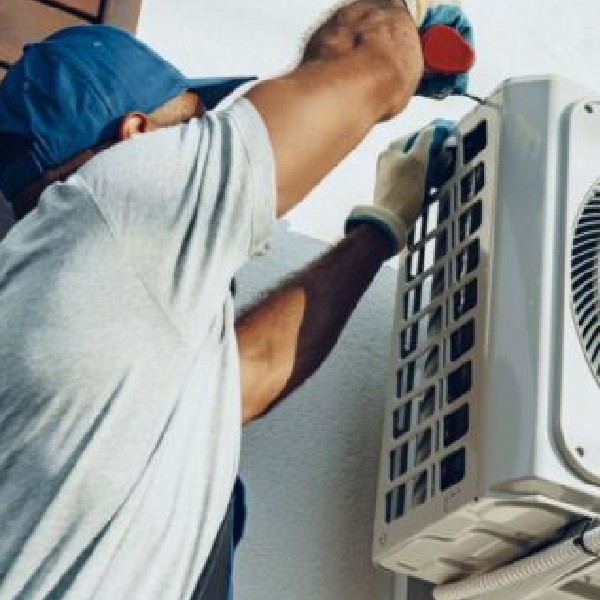
Air-to-air heat pumps are dependable systems, but like any technology, they occasionally need attention. Most issues are minor and can be resolved quickly, sometimes without the need for a call-out. Knowing what’s normal (and what isn’t) can save time, money, and frustration.
- The System Isn’t Heating or Cooling Properly – If your heat pump seems weak or slow to reach temperature;
- Check the filters, clogged filters restrict airflow, reducing performance
- Ensure the thermostat or remote settings are correct. It’s surprisingly common for a system to be set to “fan only” or “cool” when heating is desired!
- Inspect the outdoor unit for obstructions such as leaves or debris. Restricted airflow will cause lower output and higher noise
- Look at fan speed settings, setting the indoor unit to “auto” usually gives better comfort than fixed high, or low speeds
- If none of these help, the issue could be refrigerant-related, or electrical and should be checked by a qualified engineer.
- Water Dripping from the Indoor Unit – Condensation is normal in cooling mode, but not in heating mode. Continuous dripping usually means a blocked condensate drain, or incorrectly installed drain hose. A technician can clear or reroute it easily.
- Strange Noises or Vibrations – Rattling, buzzing, or humming noises usually stem from loose panels, or debris in the outdoor fan. Clicking sounds are often just the refrigerant expanding or contracting in the pipes, a harmless effect.
- System Stops Briefly in Winter – This is often a defrost cycle, where the unit temporarily reverses to clear frost from the outdoor coil. Warm air output will pause for a few minutes, then resume.
- Unusual Smells – If you notice musty odours, clean the filters and check for stagnant water. Running the fan-only mode for a while can help dry out the coils after cooling.
If the unit displays an error code, fails to start, or repeatedly trips the electrical circuit, call your installer. Never attempt to open sealed refrigerant components yourself. Most performance issues are caused by poor airflow or incorrect settings. A little routine maintenance keeps your system running quietly and efficiently all year.

What Do Real Homeowners Say About Using Air-To-Air Heat Pumps In The UK?
To understand what an air-to-air heat pump can do in practice, it helps to look at real homes and see how owners benefit from the technology. The following examples illustrate the range of possibilities across UK property types.
Semi-detached Property, Coventry
Single external unit with 2 x internal units – Panasonic
Detached With Solar, Gloucestershire
Part 1
Multiple internal and external units and solar panels
Detached With Solar, Gloucestershire
Part 2
Single external unit with 2 x internal units – Panasonic
What Lies Ahead For Air To Air Heat Pump Technology?
The UK Heat Pump Investment Roadmap forecasts more than 600,000 installations per year by 2028, and as the market scales, technology will become even more accessible and affordable.
Air-to-air heat pumps sit at the heart of that transformation, offering homeowners a flexible, future-proof way to heat and cool their properties while contributing to a cleaner energy future.
Greener Refrigerants
Environmental impact is another key area of innovation. The EU and UK are phasing out older refrigerants with high global warming potential (GWP). Newer gases such as R32 and R290 (propane-based) offer significantly lower emissions and better thermodynamic efficiency.
All-Electric Homes
Systems that pair air-to-air heat pumps with solar PV, battery storage, and electric hot-water heaters are emerging as a smart path to net-zero homes. With clean power generation on-site, homeowners can achieve extremely low running costs while reducing reliance on the grid.
WarmVent are at the forefront of these technologies and give an insight into what we can expect in the future.
Solar Power and Air-to-Air Heat Pumps
When solar photovoltaic (PV) panels generate electricity during the day, that power can run your heat pump directly, heating or cooling your home with clean energy. Any surplus energy can be stored in a battery (see below) or exported back to the grid.
Paul Warner explains “Air-to-air and solar complement each other perfectly. The sunniest days are when you either want cooling or can pre-heat your rooms for free before nightfall.”
Depending on roof orientation and system size, solar integration can offset 30–70 % of annual heating and cooling costs.
Battery Storage for True Energy Independence
Adding battery storage, such as a Tesla Powerwall, GivEnergy or SolarEdge unit, allows you to store unused solar energy to power your heat pump at night or during peak-rate hours. Smart energy-management software can automatically prioritise self-consumption and use cheaper off-peak tariffs, reducing bills and carbon emissions simultaneously.
Extending to Hot-Water Systems
While air-to-air heat pumps don’t directly heat water, there are solutions to bridge the gap;
- Heat battery – compact solution that avoids the need for a water storage tank.
- Solar-assisted immersion – uses excess PV generation to heat your cylinder, providing free hot water during sunny periods.
Why It Matters
- Cut grid energy use by up to 70 %
- Protect against rising electricity costs
- Boost your home’s value and sustainability credentials
- Achieve near-net-zero living.
WarmVent’s integrated Solar + Battery + Air-to-Air packages deliver total comfort, cost control and long-term energy independence, all designed around the way you live.

Checklist Before Buying Or Installing An Air-To-Air Heat Pump
- Before taking the next step, it’s worth running through this simple but essential checklist to make sure your new air-to-air heat pump will meet expectations, now and for years to come.
1. Assess Your Property’s Suitability
- Do you have open-plan areas or good airflow between rooms?
- Are you mainly looking for heating or cooling or both?
- Is your insulation up to standard? Improving insulation first boosts efficiency and comfort.
2. Understand the Financials
- Get a quote from a professional installer, quotes from WarmVent are free
- Make sure you receive a clear breakdown costs
- Ask for a projected SCOP (Seasonal Coefficient of Performance) and annual running-cost estimate based on your usage pattern
- Confirm what warranty and service plan are included.
3. Check Planning & Compliance
- Ensure outdoor placement meets Planning Portal guidance and MCS 020 noise criteria
- If you live in a conservation area or listed property, confirm permission
- Verify that electrical work will be completed by a Part P-registered contractor.
4. Confirm Design & Installation Details
- Review proposed indoor unit locations, do they suit your furniture layout and daily use?
- Confirm drainage routes, power supply, and maintenance access before installation begins
- Make sure your installer explains operation, controls, and maintenance clearly.
5. Prepare for Long-Term Efficiency
- Schedule routine maintenance every year
- Keep filters and outdoor coils clean
Use smart controls and off-peak tariffs where possible - Track your energy use, many apps show real-time performance so you can see savings in action.
The way we heat and cool our homes is changing, and air-to-air heat pumps are leading that transformation. They’re efficient, intelligent, and built for the future, giving homeowners total control over comfort while reducing running costs and emissions.
From compact apartments to large family homes, these systems deliver dependable warmth in winter and effortless cooling in summer, all without the noise, mess, or maintenance of traditional heating. With professional design, correct sizing, and simple upkeep, your system will perform quietly for 20 or more years.
Whether you’re replacing ageing electric heaters or embracing a fully electric lifestyle, a WarmVent air-to-air system makes that step simple, sustainable, and smart. To get a free quote and home home survey for a reputable team please contact our friendly team team.
FAQ's
An air-to-air heat pump is a system that uses electricity to transfer heat from the outside air into your home for heating, and reverses the process for cooling. It works like a reversible air conditioner, providing year-round comfort with far greater efficiency than electric heaters.
No. Air-to-air systems heat and cool air only, they don’t produce domestic hot water for showers or taps. Homeowners usually pair them with a separate water heater, immersion element, or cylinder. If you need a full heating and hot-water solution and already have existing wet heating, an air-to-water system may be a better solution.
Very efficient. Modern systems can achieve 400 % efficiency or more, meaning 1 kW of electricity can produce 4 kW of heat. Performance naturally drops as outdoor temperatures fall, but most models work effectively down to about –15 °C, making them suitable for the UK climate.
Costs vary depending on property size and the number of indoor units. WarmVent prices start at £975 a basic single split system.
Usually not. In England and Wales, most installations fall under permitted development rights, provided the outdoor unit meets size, distance, and noise limits (as per MCS 020). Listed buildings or flats may need formal approval, your installer should confirm this during the survey.
The Boiler Upgrade Scheme (BUS) currently supports air-to-water, ground-source, and biomass systems, and it has just been announced that it will also include air-to-air heat pumps in the next year. You can still benefit from 0 % VAT on energy-saving systems and potential green-finance offers from lenders or local authorities.
Surprisingly quiet. Outdoor units typically operate around 40–55 decibels (similar to a quiet conversation) while indoor fan units are often 20–40 decibels. Proper placement and anti-vibration mounts make systems barely noticeable indoors, or outdoors.
A well-installed, regularly serviced system will typically last 20+ years. Because there’s no combustion, parts experience less wear and tear than boilers for example. Keeping filters clean and scheduling a professional service every year maximises lifespan and efficiency.
Yes, that’s one of its greatest advantages. With a single system, you can enjoy warm air in winter and refreshing cool air in summer, without needing separate air conditioning. Smart controls make switching between modes effortless.
Absolutely, especially if you currently rely on electric, oil, or LPG heating. You’ll enjoy lower running costs, built-in cooling, and a cleaner, safer heating solution. The lower installation cost and reduced maintenance make it a strong long-term investment for many UK homes.