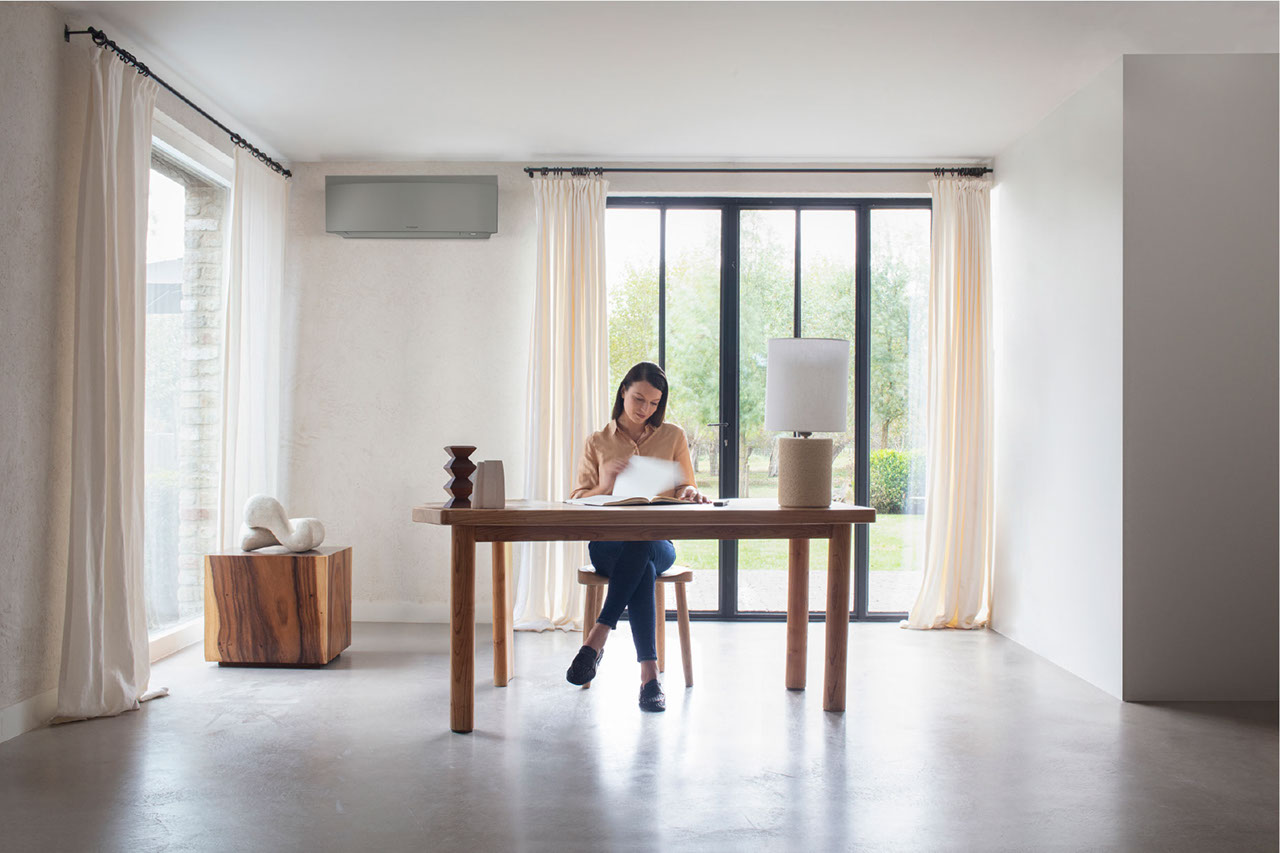
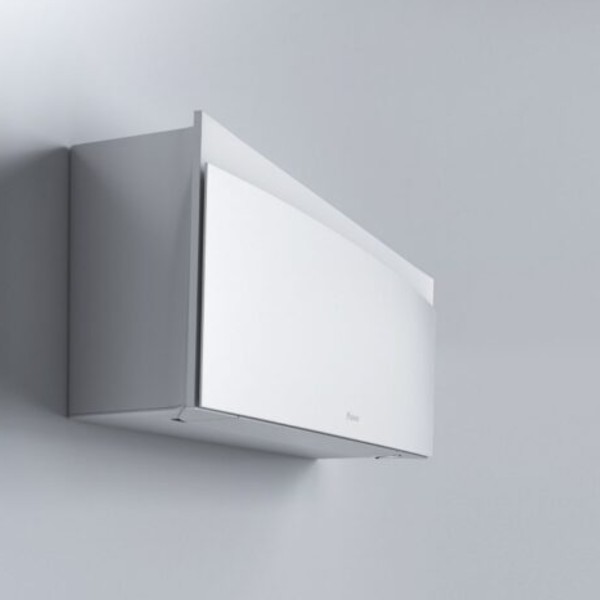
For years, most British homeowners have thought about heating and cooling as entirely separate concerns. Radiators and boilers keep us comfortable in winter, while a fan or an open window has traditionally been enough for summer. With energy bills remaining unpredictable and warmer summers becoming increasingly familiar, that approach is beginning to feel outdated.
An air to air source heating system offers a practical alternative. It can warm rooms efficiently when the temperature drops and provide proper air conditioning when the weather turns hot, using the same equipment throughout the year. For households considering their next home improvement, that versatility deserves a closer look.
How does an air to air source heating system work?
Instead of burning gas to create warmth, an air to air heat pump transfers heat from outside into the home. Even cold outdoor air contains useful thermal energy, which the system collects and concentrates through a refrigeration cycle. An indoor unit then distributes the warmth directly into the room.
During summer, the cycle runs in reverse. Heat is taken from the room and released outside, lowering the indoor temperature. The technology is well established and is used in homes and businesses around the world.
Efficient heating without the wait
One advantage is the speed with which an air to air system can make a room comfortable. Traditional radiators need hot water to circulate before the space gradually warms. A heat pump delivers conditioned air directly, which can make a noticeable difference in a home office, bedroom or living room used at different times of day.
Efficiency is another attraction. Under favourable conditions, a modern heat pump can deliver up to five units of heat for each unit of electricity it consumes. Actual performance varies with outdoor temperature, system specification and how the equipment is used, but the principle remains important: transferring heat can require considerably less electricity than generating the same warmth with a conventional electric heater.
Cooling matters in British homes too
Summer comfort is becoming harder to ignore. British homes are often designed to retain heat, which is helpful in January but can make upstairs bedrooms uncomfortable after a hot day. Opening windows and drawing curtains can help, yet neither actively removes the accumulated warmth.
An air to air source heating system provides genuine cooling rather than simply moving warm air around. It can also help manage humidity, making bedrooms and workspaces more comfortable when temperatures remain high into the evening. Instead of paying for a separate cooling appliance, homeowners can use their existing heat pump.
What about running costs?
The answer depends on what you currently use to heat your property. Replacing direct electric heating with an efficient heat pump can produce substantial savings, while comparisons with a modern gas boiler depend on electricity and gas tariffs, seasonal efficiency and household demand. It would be misleading to promise that every home will save the same amount.
WarmVent advertises potential savings of up to £170 per month for suitable households. Its air to air installations start from £1,975, with the final quotation reflecting the size of the space, number of indoor units and installation requirements. A properly designed system matters more than choosing equipment on price alone.
Less disruption than many people expect
Installing an air to air heat pump does not normally require a new network of radiators or water pipes. A typical installation connects an outdoor unit to one or more indoor units through refrigerant pipework and electrical connections. The precise work depends on the building, access and the chosen layout, but it can often be completed with relatively little disruption.
Placement is important. An installer should consider the size and insulation of each room, airflow, outdoor unit noise and where the equipment can be maintained. A system that is too small may struggle on the coldest or hottest days, while an oversized system may be less economical than expected.
Pairing heat pumps with solar panels and batteries
WarmVent now also offers solar panels and battery storage, giving homeowners another way to improve the economics of electric heating and cooling. Solar panels can generate electricity during daylight hours, including sunny periods when air conditioning is most useful. A battery can store surplus generation for later use, reducing the amount of electricity purchased from the grid.
Solar output is naturally lower during shorter winter days, so it is important to assess the whole year’s generation and consumption rather than assume a home can run entirely on sunshine. Even so, combining efficient climate control with on-site electricity generation is an appealing longer term strategy.
Choosing a system for your property
Air to air systems are particularly useful for bedrooms, extensions, loft conversions, garden rooms and home offices. Multiroom configurations can serve several spaces, although they need careful design to ensure that every area receives the right capacity. Homes that also require hot water will need a separate solution for that demand, as an air to air heat pump does not heat domestic tap water.
For homeowners who want comfort throughout the year without relying entirely on traditional heating, the case is persuasive. WarmVent brings 30 years of British installation experience to the decision, with advice on system sizing, heating and cooling requirements, and the option to combine a heat pump with solar panels and storage. A tailored quotation is the sensible starting point for understanding what an air to air source heating system could achieve in your home.