When it comes to heating and cooling your property, the technology available today is smarter, more efficient, and far more eco-friendly than the systems many of us grew up with. One of the most talked-about solutions right now is the air to air heat pump. But before you can decide whether it’s right for your property, you need to understand exactly what it is, how it works, and why so many homeowners are making the switch.
This beginner’s guide will walk you through the air to air heat pump definition, explain the science behind the technology, and highlight the real-world benefits you’ll notice in your daily life. By the end, you’ll know whether this is the right investment for your property.
What is an Air to Air Heat Pump?
Let’s start with the basics. At its simplest, an air to air heat pump is a system that transfers heat from outside air into your property during the colder months, and in the summer it can do the opposite – taking heat from inside and moving it outdoors to cool your space.
Unlike traditional boilers or electric heaters that create heat by burning gas or consuming large amounts of electricity, air to air systems work by moving heat. This makes them incredibly efficient, often generating three to four times the energy output for every unit of electricity used.
To put it another way, an air to air heat pump isn’t just a heater or an air conditioner – it’s both, rolled into one energy-efficient package.
Breaking Down the Definition
So what is the official air to air heat pump definition? In technical terms, it’s a system that extracts heat energy from the outside air and transfers it indoors via a fan-based system. When cooling is required, the process is reversed, and warm air inside is expelled outdoors.
The “air to air” part of the name simply means that heat transfer happens between the outside air and the air inside your property. This is different from air to water systems, where outside air heats water for radiators or underfloor heating.
For beginners, you can think of it as a year-round climate control system: one unit that keeps you warm in winter, cool in summer, and comfortable in between.
How Does an Air to Air Heat Pump Work?
The principle behind a heat pump might sound complicated, but the process is surprisingly straightforward:
Air Intake – The outdoor unit pulls in outside air. Even when the temperature is low, the air still contains heat energy.
Heat Extraction – A refrigerant inside the system absorbs this heat energy.
Compression – The absorbed heat is compressed, increasing its temperature.
Heat Transfer – Warm air is distributed through indoor units, heating your property.
Reversal for Cooling – In summer, the cycle is reversed. The heat pump absorbs indoor heat and expels it outside, cooling your rooms.
This process is essentially the same as how your refrigerator works, just applied to your entire living or working space instead of a food compartment.
Key Benefits of Air to Air Heat Pumps
Understanding the air to air heat pump definition is just the start – the real selling point comes from the long list of benefits that make these systems so attractive:
1. High Energy Efficiency
Air to air heat pumps can deliver up to four times more energy than they consume. That means lower energy bills compared to traditional heating systems.
2. Year-Round Comfort
With a single installation, you gain both heating and cooling functions. This makes them perfect for the UK’s increasingly unpredictable climate.
3. Reduced Carbon Footprint
Since they move heat instead of burning fuel, they produce far fewer carbon emissions. For eco-conscious property owners, that’s a huge advantage.
4. Cleaner Indoor Air
Many modern units include advanced air filters, capturing dust, pollen, and allergens. This makes them an excellent option if you want better indoor air quality.
5. Easy Installation And Flexibility
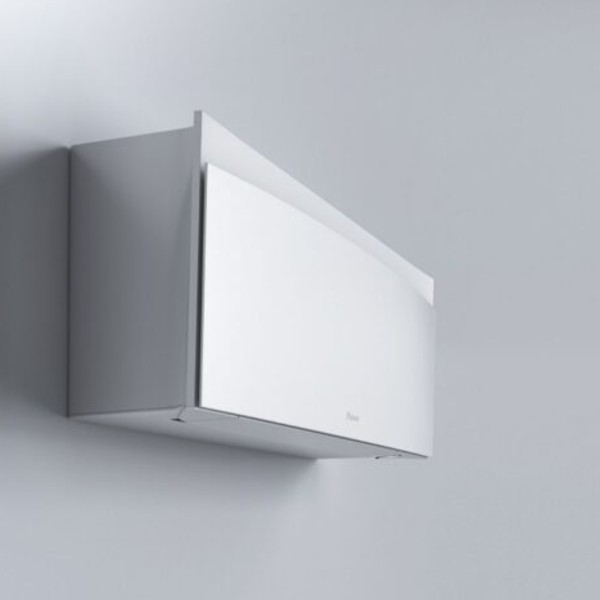
Indoor units can be wall-mounted, floor-mounted, or installed as discreet ceiling cassettes. They’re suitable for almost any property type, from modern flats to older homes.
6. Lower Running Costs
Over time, the efficiency of an air to air system can significantly reduce your energy bills. While the upfront cost is higher than a portable heater or air conditioning unit, the long-term savings more than make up for it.
Air to Air vs. Air to Water Heat Pumps
A lot of confusion arises between these two systems, so let’s clarify the difference:
Air to Air Heat Pump – Transfers heat to indoor air. Provides both heating and cooling. Best for properties without existing central heating systems.
Air to Water Heat Pump – Transfers heat into water for radiators, underfloor heating, or hot water cylinders. Generally used for whole-house heating where radiators already exist.
For many domestic UK customers, air to air heat pumps are more affordable, quicker to install, and provide the added bonus of cooling – something air to water systems don’t offer.
Common Questions About Air to Air Heat Pumps
Do they work in cold weather?
Yes. Even at low temperatures, outside air still contains heat energy. Modern units are designed to extract heat efficiently even in winter.
Are they noisy?
No. The outdoor unit produces a low hum, comparable to a refrigerator, and indoor units are very quiet.
How long do they last?
With proper maintenance, an air to air heat pump can last 15–20 years.
Do they qualify for government grants?
Currently, the UK government focuses on funding air to water heat pumps through initiatives like the Boiler Upgrade Scheme. However, air to air systems are often more affordable upfront, even without grant support.
Who Should Consider an Air to Air Heat Pump?
These systems are ideal if:
You want a cost-effective way to heat and cool your property.
You live in a property without existing central heating.
You’re looking for an eco-friendly alternative to traditional heating.
You want to future-proof your property with energy-efficient technology.
They’re especially popular in apartments, smaller homes, and properties where installing radiators or underfloor heating isn’t practical.
Why the Definition Matters for Property Owners
When you’re exploring new heating and cooling systems, the definitions can seem overwhelming. But taking the time to understand air to air heat pumps gives you clarity on what you’re really getting.
It’s not just a buzzword – it’s the foundation of a system that can completely change the way you experience comfort at home or in your business. Instead of paying for two systems, one for heating and another for cooling, you can invest in a single, efficient solution that does it all.
Final Thoughts
Air to air heat pumps are no longer just futuristic technology – they’re available now, and more UK households are discovering their benefits every year. With rising energy costs and growing concerns about sustainability, they represent a practical, efficient, and environmentally responsible choice.
By understanding air-to-air heat pumps, you’re already one step closer to making an informed decision about your property’s future comfort.
Ready to explore how an air-to-air heat pump could transform your property? Contact WarmVent today for expert advice and a no-obligation quote. Our team specialises in helping homeowners find the perfect system for their needs.